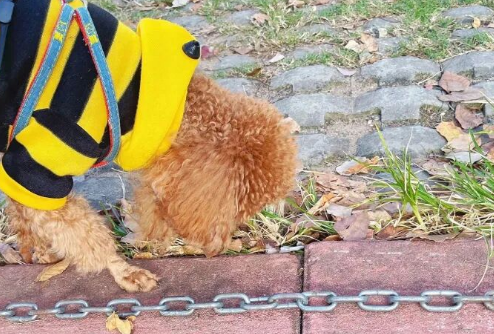
Every time I take Sonny for a walk, my biggest concern is encountering dog poop. If I let him sniff it, I’m unhappy; if I don’t let him sniff it, he’s unhappy! I always find myself torn between letting him sniff it and stopping him. Eventually, I had to become more vigilant. When I spot dog waste, I quickly steer Sonny away to avoid him getting too close. But honestly, there are so many things to sniff on walks—he doesn’t always need to focus on that one pile.
-
I once saw someone ask: Why does my dog still destroy the house after I take him for a walk?
Well, that brings up the question: How do you walk your dog? Is it just for bathroom breaks, or is it purely walking? Some people think that if they walk or even jog with their dog, it will tire them out quickly. But in reality, a simple walk is like us going out to satisfy a craving for delicious food, but only having a bowl of plain porridge. While you may feel full, something just doesn’t feel right. Over time, this can lead to “revenge eating.” The same goes for dogs—if you constantly restrict their sniffing, they may end up “revenge destroying” the house.
-
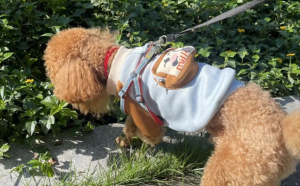
A dog walk should be a combination of exercise, sniffing, and socializing.
Sniffing is a key part of this. During each walk, try to allocate at least half of the time for your dog to sniff around (the rest of the time for walking and interaction). Keep in mind, though, that sniffing, like exercise, should be done in moderation—not too much (sniffing is mentally exhausting for them).
-
The benefits of sniffing
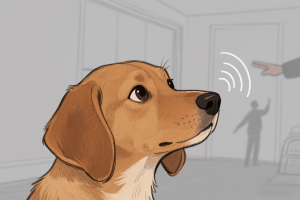
Stress Relief and Mood Improvement: Sniffing activates a dog’s brain, releases tension, and reduces anxiety. For example, a dog that chews up furniture when left alone may have unmet sniffing needs.Brain Exercise and Aging: Smell information is complex. Dogs have to analyze and remember scents, which is a form of “mental exercise.” This helps reduce the risk of cognitive disorders in older dogs.Socializing Needs: A dog’s urine and feces act as their “business card.” Through sniffing, they can learn about other dogs’ age, health, and even their mating status, preventing social isolation.
-
Choosing Sniffing Spots
When taking your dog for a walk, keep an eye out for safer routes—paths with fewer trash bins and cleaner ground are ideal. Some dog owners worry about their dogs ingesting toxic substances, so they may put a muzzle on them. If your dog repeatedly sniffs in the same area, be vigilant and remove them if necessary. Also, avoid areas near cars, as tire residue (like antifreeze) can be harmful to dogs.
Most dog owners have a habit of pulling on the leash while walking their dogs. This often leads to insufficient sniffing time for many pets, which can result in excessive marking behavior. I’ve noticed that I also tend to pull on the leash when walking Sonny, so it looks like I need to pay more attention to this.Today’s topic: Do you rush your dog when they’re sniffing around?