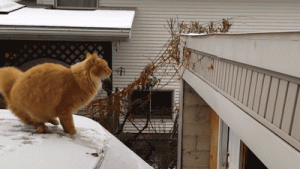
That saggy “flap of meat” hanging beneath your cat’s belly?Many cat parents’ first reaction is to assume it’s just belly fat from being overweight…Some even worry that their cat might be ill — could it be a tumor?Well-informed cat owners will calmly explain: it’s perfectly normal — it’s called the primordial pouch.But how can you tell whether what you’re seeing is a primordial pouch or simply excess fat?Why do some cats have it while others don’t?In this article, we’ll break down seven key questions to help you fully understand this mysterious little saggy pouch on your cat’s belly~
-
What Is a Primordial Pouch?
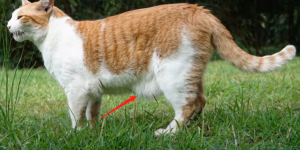
The most common English term for it is primordial pouch, though it goes by many other names as well.It is a loose flap of skin located on the cat’s lower abdomen, extending toward the inner thighs.When a cat walks or runs, you can observe this “swaying belly” moving from side to side…If you touch it carefully, you’ll find it is mainly loose skin, with relatively little fat underneath.
-
What Is the Function of the Primordial Pouch?
What purpose could this body structure possibly serve?Researchers have proposed three widely accepted theories:Better Stretching While Running → Faster Speed.The loose skin of the primordial pouch allows cats to stretch their limbs further, enabling longer strides and faster bursts of movement.Whether hunting or escaping predators, cats are “explosive sprinters,” unable to sustain long chases. Short bursts of high speed help conserve energy and increase survival chances. Energy Storage → Better Survival During Hunger.Whether the pouch stores fat or leftover food is still debated, but researchers agree on one thing:Like a camel’s hump, the primordial pouch helps cats store energy for hard times.Wild cats cannot enjoy fixed daily meals like pets, and they are also prey as much as predators. Protection During Fights → Less Injury.Cats often use a move called the “rabbit kick” in fights, which can expose the belly.The abdomen is also one of the most commonly injured areas in cat fights.Researchers believe the loose, elastic skin of the primordial pouch helps buffer blows and reduce damage to internal organs.
-
Is the Primordial Pouch Related to Neutering?
Cats are not born with an obvious, visible pouch.The pouch typically begins developing around 6 months of age and completes its growth around 2 years.One nickname for it is “spay sway,” but in reality,the development of the primordial pouch is NOT related to neutering or hormone levels.The misunderstanding comes from two coincidences:Cats are commonly neutered around six months — the same time the pouch becomes visible.Neutered cats often experience slower metabolism, making them more prone to weight gain. This can make people mistake general fat for the primordial pouch.In female cats, after a midline spay, owners may even feel “all the meat seems sunken”…That can be due to fat distribution, but sometimes it’s simply the primordial pouch.
-
Is the Primordial Pouch Related to Obesity?
Not necessarily.Many slim cats have obvious primordial pouches, and many overweight cats do not.However, in cats that already have a pouch:gaining weight may make it more prominent,losing weight may also make it more noticeable (because the skin was stretched).This is also why older cats sometimes show a more noticeable pouch — similar to stretch marks in humans when the skin has been stretched.Since it is not tied to body size, and not all cats have it, what does it depend on?
-
Do All Cats Have a Primordial Pouch?
No.Male cats tend to show it more often than females,but the most influential factor is breed.Some cat breed associations even include the presence of a primordial pouch as part of their aesthetic standard — such as:Bengal cats.Egyptian Mau.Japanese Bobtail… and several others.
-
How Can You Tell the Difference Between a Primordial Pouch and Obesity?
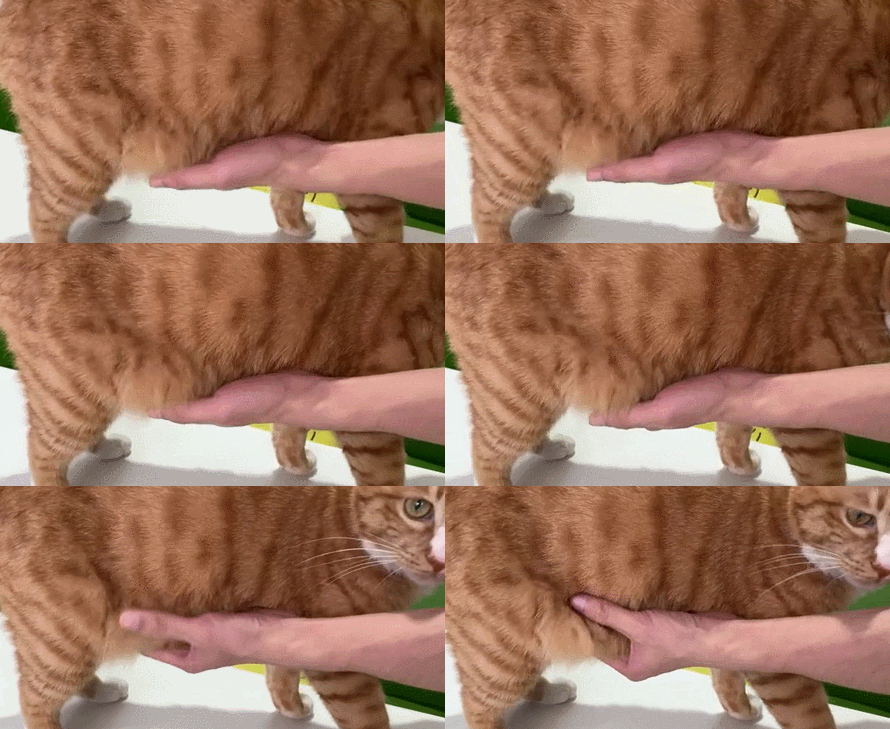
The most reliable method is to feel for the ribs.Place your hand on the cat’s rib cage and press gently:If you can feel each rib clearly → the cat is not obese, and the sagging belly is a normal primordial pouch.The sensation is similar to touching the back of a slightly chubby hand: flat at first, but with bone structure detectable with light pressure.If you cannot feel ribs or the tailbone, and there is no visible waistline, plus the limbs also have excess fat → that is obesity.Because obesity spreads fat all over the body, not just the belly.
-
What Else Could Cause a Sagging Belly?
Whether it’s a pouch or fat, a cat’s body changes gradually.If you suddenly notice your cat’s abdomen becoming saggy, it is time to investigate.A tense, round sagging belly may require checking for:Ascites (fluid in abdomen).GI obstruction.Pyometra.Parasites.Cancer.A soft, flabby sagging belly may indicate:Tumors (often firm, fixed, no recoil).Hernias (soft swelling, may reduce when pressed, size changes with posture).Remember two key points:Obesity → fat everywhere, not just the belly.Health problems → usually come with other signs such as lethargy, poor appetite, reduced activity.In short:Spend more time playing and observing your cat — it helps prevent obesity and allows you to detect health issues early.
Does your cat have a primordial pouch?Feel free to leave a comment, share photos, and join the conversation — let’s exchange cat-care experiences together!