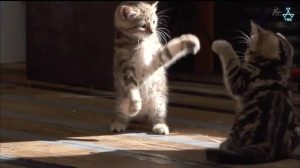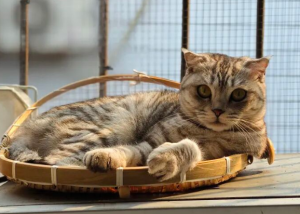
Can a Soft and Fluffy Cat Get Angry?Of course, cats can experience a range of emotions. But how can you tell if your cat is mad? It’s clear that you’ve never upset your cat before! But since you’re so good to your feline friend, let me share 4 ways to tell if your cat is angry.
-
Making Harsh Noises
As someone who’s often scolded by my cat, I’ve gotten used to it. I frequently get so absorbed in exercise or reading that I forget to let my cat out, and then I’m greeted with a loud scolding. Cats can’t speak, but they have a rich vocal system to express their emotions. When a cat is angry, it will make harsh, jarring sounds, completely different from its usual soft “meow.” These sounds tend to be higher-pitched, longer-lasting, and full of clear anger or frustration. (Sometimes I wonder, can they not breathe when they make those long calls?) For instance, when a cat is hungry but hasn’t gotten food in time, or when a toy is taken away, it will use this sharp meow to “protest.” Zoologists have analyzed cat vocalizations and found that angry meows often contain more high-frequency components, designed to grab the owner’s attention and convey the message, “I’m really mad, and there will be consequences.”
-
Quickly Flicking the Tail
When a cat flicks its tail rapidly, don’t think it’s just sweeping the floor for you! A cat’s tail is actually a key indicator of its emotions, and different movements and frequencies represent different moods. When a cat’s tail swings back and forth quickly, especially if it’s lashing like a whip, it’s a sign that the cat is angry. If a cat is forced to do something it dislikes—like taking a bath, getting its nails clipped, or having its sleep interrupted—it will start flicking its tail rapidly. At this moment, the cat might be thinking, “Stop bothering me, I’m about to get mad.” If the owner doesn’t recognize this signal and continues to “tease” the cat, it could suddenly lash out, using its claws or teeth to express its frustration. American animal behaviorists have found that when a cat is agitated, hormonal changes prompt muscle contractions, causing the tail to flick quickly—up to 3-4 times per second. So now we know, when a cat’s tail flicks rapidly, it’s not cleaning up—it’s giving a warning. Next time you see a cat flicking its tail, don’t keep teasing it; this little one’s anger is tough to calm down. You might need some cat treats or a can of food to make up for it!
-
Flattening the Ears
When a cat flattens its ears, don’t mistake it for being cute (does a cat need to try that hard to be adorable?). Normally, a cat’s ears are upright, skillfully capturing subtle sounds from the surroundings. But when a cat is annoyed or angry, its ears will noticeably tilt downward. The most representative sign of this is the “airplane ears.” “Airplane ears” happen when the cat’s ears spread sideways, looking like the wings of an airplane. This is a signal that the cat is entering a defensive state. Flattening its ears or spreading them out protects the sensitive ears from potential harm. Besides airplane ears, sometimes a cat’s ears will press tightly against its head, which also indicates that the cat is feeling uncomfortable or angry. When a cat is forced to take a bath, it will flatten its ears as if saying, “I don’t like this, stop washing me, or I’ll really get mad!”
-
Refusing to Interact
You thought only humans give the cold shoulder? Cats do it too! When a cat is mad at you, it will ignore your calls and attempts to play with it. If you approach, it may even avoid interaction by moving away. Yep, cats can be cold-hearted when they want to be (totally no-nonsense). This kind of cold behavior from a cat is its way of saying, “I’m still mad at you. Take some time to think about what you did wrong before I forgive you.”
From a behavioral perspective, cats are relatively independent animals. When they feel angry or frustrated, their instinct is to escape and find a safe, quiet place to be alone, allowing them to process their emotions. During this time, it’s best not to interact with your cat. Forcing interaction could trigger aggressive behavior. Give each other some time to cool off. Especially for owners—take a moment to reflect: Have you forgotten to buy your cat some treats? Has your cat ever scolded you? Feel free to leave a comment or share pictures in the comment section. Let’s exchange tips and stories about cat care together!