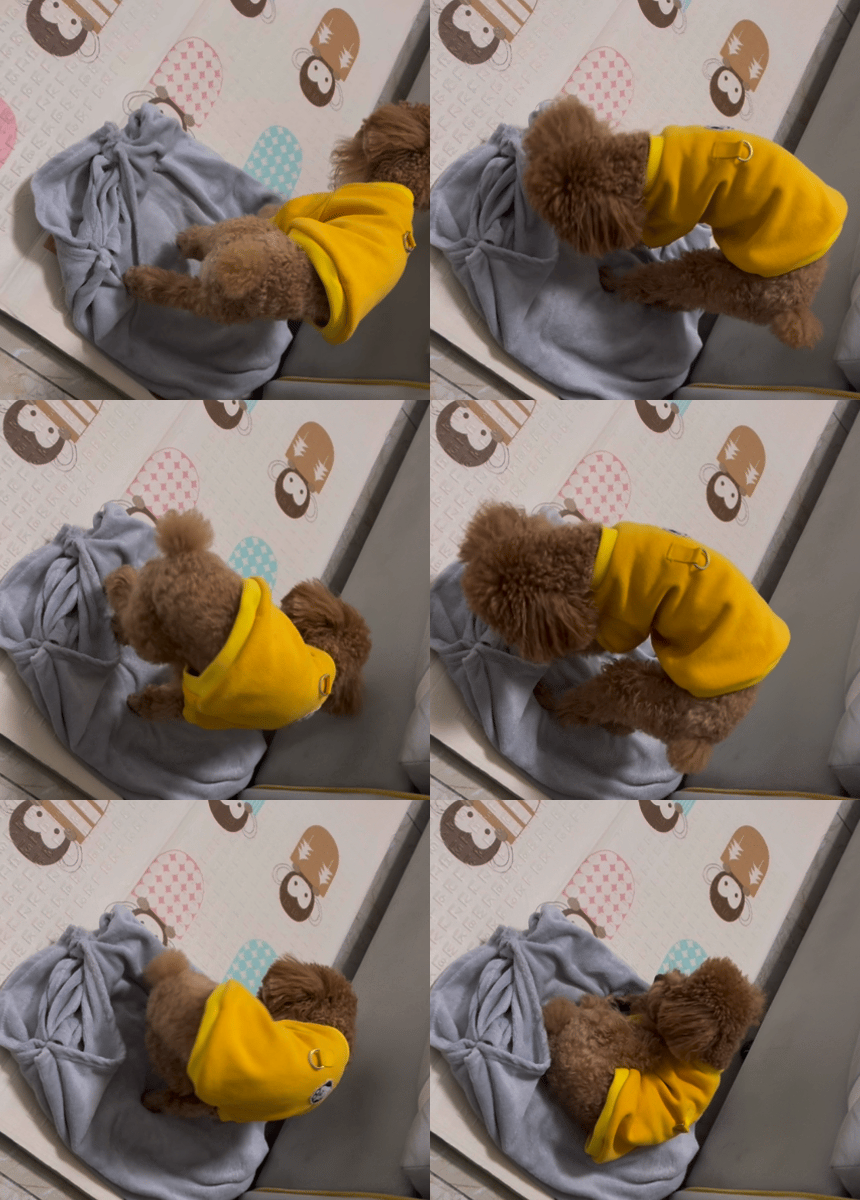
As the weather got colder, I was worried about Sonny getting too cold, so I decided to add some extra padding to the little makeshift bed under the table. I arranged it neatly and even made it a little bigger. I thought, “Now it should be really comfortable for him to sleep!” But to my surprise, when he went inside, he hesitated for a moment. I guess it felt a bit unfamiliar to him. I even urged him to go in quickly because the floor was cold. But after he went in, he started digging at the bedding, messing it up into a tangled mess, and then he turned in circles for what seemed like ages before finally lying down on the wrinkled blanket! I thought, “Oh no, how can he sleep like that?” So, I pulled the whole bed and dog out, straightened the blanket, and put him back in. But what was going on with this dog? He wouldn’t sleep on the neatly arranged bedding and insisted on making it all wrinkled before he’d lie down!
-
elieve it or not! This is part of most dogs’ “bedtime routine”—a survival skill passed down from their ancestors.
In the wild, there are no cozy beds—only rudimentary “shelters” built in the grass or dirt. The action of turning in circles and digging helps clear away small stones and weeds from the ground, preventing discomfort or injury. It also flattens the area by stepping on it, creating a relatively smooth “sleeping surface.” This behavior also serves to scan the surrounding environment—if there are loose patches of soil or hidden creatures, digging can help detect them, reducing potential risks while the dog sleeps. Digging a hole, turning in circles, and then lying down have become ingrained habits for dogs, retained throughout the evolutionary process.

-
Even the new bed from the human needs a little “renovation.”
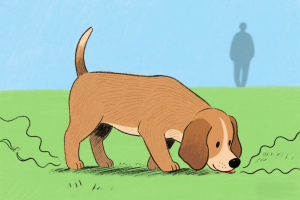
When it comes to familiar old beds, dogs typically only need to turn in circles and lie down, skipping the digging phase. A new bed, however, has unfamiliar scents, and dogs are naturally cautious of unfamiliar things. Even if the bed was provided by their favorite human, the dog will still need to “mark” the new bed with its own scent. Dogs have special scent glands in their paw pads, and when they dig, they release these unique smells as a way to mark their territory. Especially in new places, dogs will dig more frequently, in addition to marking with urine.
-
Respecting their instincts makes you a qualified pet owner.
Studies show that most dogs have a complete “bedtime ritual” before they sleep. If a dog is allowed to complete this routine without interruption, it will fall asleep faster and wake up fewer times during the night. On the other hand, if the ritual is forcibly interrupted, the dog will take longer to fall asleep and will wake up more often. This is likely because the “environment-checking” part of the routine wasn’t finished, leaving the dog unsettled and unable to sleep peacefully.
If a dog usually follows a specific bedtime routine but suddenly changes this routine, it may be a sign of a health issue. For example, the dog may be having difficulty moving, causing the turning in circles to become awkward or painful. It could also be a sign that the dog is getting older and experiencing memory issues, which might cause its usual bedtime ritual to be disrupted.Today’s Topic: Does your dog have a “circle-turning and digging” bedtime ritual?