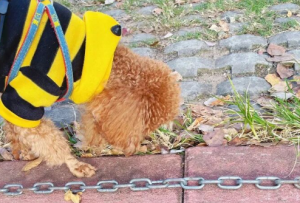
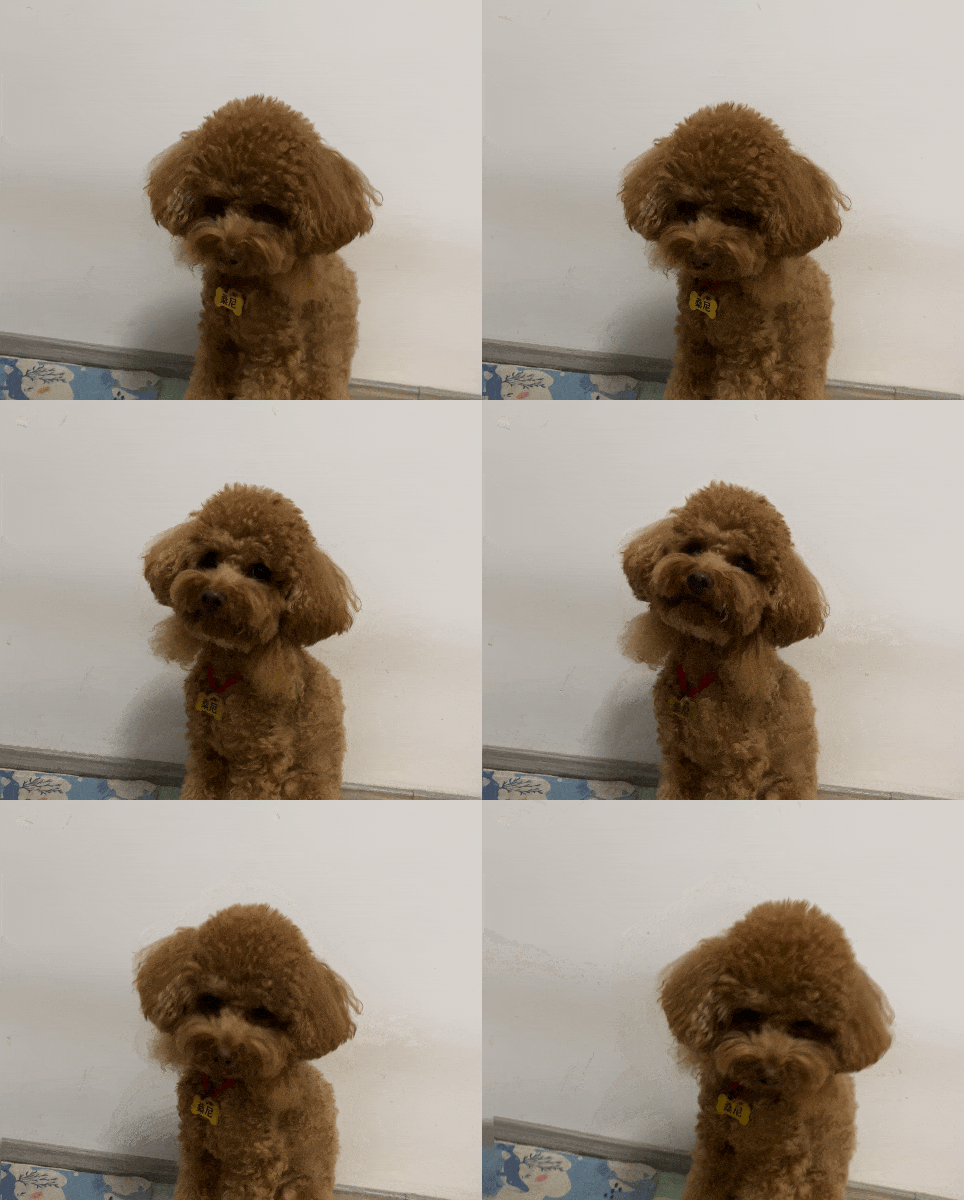
Whenever I get home from work, Sunny gets so excited that he jumps all over me. As I walk around, his nose brushes against my pants, and I can hear him make a soft little “whine,” almost as if he’s trying to wipe off the mucus on his nose. Right after that, he’ll stick out his tongue and give his nose a good lick.
-
What’s the purpose of the wet, sticky stuff on a dog’s nose?
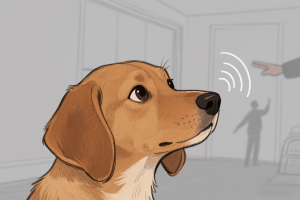
A dog’s nose is lined with a mucus-covered membrane, and that moisture helps trap tiny scent particles in the air. This allows dogs to easily tell whether sounds outside the door come from a stranger or their owner—and even detect the subtle hormonal changes humans release when our emotions shift.If you look closely, you’ll notice that when a dog is actively sniffing, the mucus on its nose increases. Sometimes you’ll even see a little droplet hanging off the tip. That extra moisture helps enhance scent analysis.Beyond smell, a dog’s nose also plays a role in temperature regulation. The folds inside the nasal cavity warm and humidify cold air before it enters the respiratory tract, protecting it from irritation. Dogs also use nasal breathing to help manage their body temperature—almost like having their own built-in air-conditioning system.
-
This is the “secret” behind why dogs try to keep their noses moist.
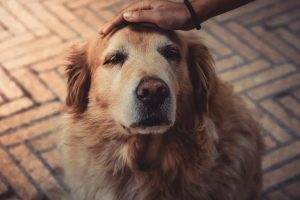
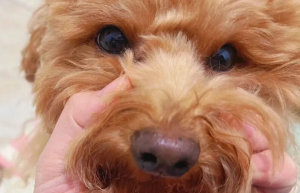
The mucus on a dog’s nose does more than help capture scent particles—it also acts as a barrier to keep dust and bacteria from entering the respiratory tract. For most healthy dogs, their noses stay cool and slightly moist most of the time.However, a dry nose doesn’t always mean something is wrong. When dogs sleep, the moisture and saliva on their noses evaporate, so the nose naturally becomes dry. A few minutes of activity after waking usually restores the moisture.In hot weather or after exercise, dogs lose water quickly, and if they don’t rehydrate promptly, their noses may become temporarily dry—something that improves once they drink water. Older dogs also tend to have drier noses because their skin and mucous membranes produce less moisture. As long as they seem energetic and behave normally, there’s no need to panic.
-
When you should worry: signs of an abnormally dry nose
If your dog’s nose becomes so dry that it cracks—and this comes with symptoms like low energy, loss of appetite, fever, vomiting, or diarrhea—it could be caused by fever, dehydration, or an underlying illness.If the nose is not just dry but also peeling, crusting, or showing redness and swelling, it may indicate a skin condition or an internal nasal issue that requires veterinary care.Certain severe infectious diseases, such as canine distemper, can also cause an unusually dry nose. This is a potentially life-threatening signal and requires immediate medical attention.A dog’s nose works like a “health barometer,” so pay attention to its temperature, moisture, and overall condition. Don’t panic at every dry moment—but if the dryness continues outside of sleep or normal dehydration, it’s time to take it seriously.
It’s said that a dog’s nose print is just like a human fingerprint — completely unique and impossible to duplicate, making it useful for identifying one dog from another.
Who would’ve thought that such a tiny dog nose could play such a big role?Today’s topic: Do you usually pay attention to your dog’s nose?