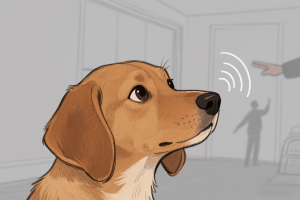

Dogs barking and loving to bark is actually one of their natural traits. Throughout thousands of years of coexisting with humans, whether guarding homes (guard dogs), herding livestock (sheepdogs), or assisting in hunting (retrievers), dogs have always used barking to alert humans. As a result, dogs bark more than their wild ancestors, wolves. In a way, this is a direct result of human-directed selection. However, in recent decades, as humans have moved into large cities and high-rise buildings, living densities have increased, and many dogs that bark frequently are now considered a nuisance, disturbing neighbors and creating noise. Over time, people’s attitude toward dog barking has shifted to: barking is fine, but only when “necessary.” To be honest, this is a pretty high expectation for dogs. The good news is that dogs can be trained and can adjust their behavior to fit into human lifestyles. Many pet owners feel that their dogs “bark at the slightest thing,” but why does this happen?
-
Why Do Some Dogs Bark So Often?
In general, there are four main reasons why dogs bark excessively: excessive environmental stimulation, behavioral issues, lack of training, or a combination of all three.Environmental Stimulation: It’s completely normal for dogs to bark in response to environmental stimuli. However, the problem arises when certain stimuli become too common, and the dog barks every time, which can become an issue. For example:Barking at playmates during playtime with other dogs.Barking at other animals, like cats or birds.Barking at pedestrians on the street.Barking when hearing noise from neighbors.Barking when meeting other dogs on the street.Barking at other dogs without any provocation.Generally speaking, young adult dogs are more prone to barking, and certain breeds are naturally more vocal and expressive.Behavioral Issues: Dogs that bark excessively may have underlying behavioral problems such as:Obsessive-compulsive disorder (OCD).Separation anxiety.Other types of anxiety disorders.Lack of Training: Dogs that haven’t been properly trained are more likely to bark unnecessarily. Common situations that lead to excessive barking include:Being confined to a cage or tied up for long periods.Feeling pain, hunger, or thirst.Lack of socialization training.Insufficient exercise or playtime.Boredom or lack of stimulation.

-
How Can You Reduce Your Dog’s Barking?
First, it’s important to note that prevention is more effective than correction. Once a dog has developed a behavioral habit, it becomes much harder to correct. The longer the habit persists, the harder it is to change. Excessive barking is no different—but it’s not impossible to solve. The following methods can help:Choose the Right Dog: Before getting a dog, it’s essential to understand your lifestyle and choose a dog whose temperament matches it. Some breeds naturally bark less, making them more suitable for people who prefer a quieter environment.Eliminate Health Issues: Pain or illness can cause a dog to bark due to physical discomfort. If a dog suddenly starts barking more frequently despite not being vocal before, it’s a good idea to consult a vet to rule out any health issues.Proper Socialization Training: Socialization is key to preventing many behavioral problems. The goal is to expose your dog to various people, sounds, and environments from a young age. Even older dogs can build confidence by participating in social activities.Address Fear and Anxiety: If a dog is barking due to fear, it’s crucial to identify and eliminate the source of its fear. For example, dogs with separation anxiety often bark non-stop when their owners leave. Addressing separation anxiety can improve many behavioral problems.Increase Exercise: Many dogs bark excessively simply because they have too much energy. Taking them for regular walks and creating more opportunities for physical activity can significantly reduce unnecessary barking.Play More: In addition to walks, it’s important to provide your dog with toys and spend quality time playing with them. This helps burn off energy and also strengthens your bond.Play Audiobooks While Alone: A 2016 study found that playing audiobooks in animal shelters reduced barking more effectively than playing classical music. Try playing an audiobook when your dog is alone to help calm them down.Eliminate Negative Stimuli: If your dog barks at strangers when outside, consider walking them during less crowded times. If they bark at animals on TV, avoid letting them watch animal documentaries. Identifying your dog’s “sensitive triggers” and avoiding them can effectively reduce barking.Establish a Routine: Dogs are creatures of habit. By maintaining a consistent daily routine—such as regular wake-up times, feeding times, and walk times—you can help your dog feel more relaxed and less likely to bark when alone.
Finally, it’s important to remember that barking and loving to bark is part of a dog’s nature. While dogs are trying their best to adapt to human life, let’s also show them a little more understanding and patience.