When I used to take Sunny for walks, it would always drop its head and charge straight ahead. The only time it stopped was when it caught an interesting scent — then it would pause, sniff carefully, and mark the spot.But when my training partner held the leash, things suddenly changed.Every time Sunny tried to keep pushing forward, my partner simply stopped. When Sunny realized it couldn’t get anywhere, it would pause and look back. Seeing my partner still standing still, Sunny would turn around and walk back to us.After a while, all we had to do was stop whenever it lunged and tightened the leash. Sunny quickly learned that pulling meant it was walking too fast — so it would come back to us and continue walking at a calm pace.
-
Dogs are behavioral animals, not language-based animals.
Simply shouting commands won’t work — you must guide them with actions.Most cases of dogs bolting forward come from a few common reasons:① Lack of outdoor time → excessive excitement.Take my colleague’s corgi as an example. It barely goes outside, so its daily exercise is very limited. Every time it finally gets out, it becomes wildly excited and rushes forward nonstop.② High curiosity and abundant energy.Dogs are naturally playful and curious. When they see something that moves — a kitten, a bird, even a leaf drifting in the wind — they get especially excited and instinctively want to chase it.③ Wrong “reward” created by the owner.Some dogs learn to bolt because the owner unintentionally teaches it. When the dog pulls on the leash, the owner moves forward, even while shouting “don’t run so fast!” but without actually stopping or adjusting their actions.A dog is always excited when it first gets outside — this is not the time to try strict training.Instead, take the dog to its favorite sniffing spot and let it calm down naturally. Once it is no longer overstimulated, training can begin.
-
The core training method: “Stop and Wait”
This method uses a simple rule based on canine logic:“If I want to move forward, I must cooperate with my owner.”When the dog starts to bolt, stop immediately.Tighten the leash with both hands and hold still.When the dog realizes:“If I bolt, I cannot go forward”…and it returns to your side and the leash slackens, reward it with treats, then continue walking.At the beginning, the dog may repeatedly try to bolt.The owner must be patient — every time, stay consistent: bolt = stop.Results depend entirely on your persistence.Some dogs improve within a week; others may take months.If the dog bolts mainly because it is under-exercised, increase its outdoor time or provide more interactive play at home to burn off energy.
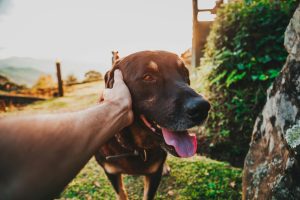
-
Let the dog see and smell more
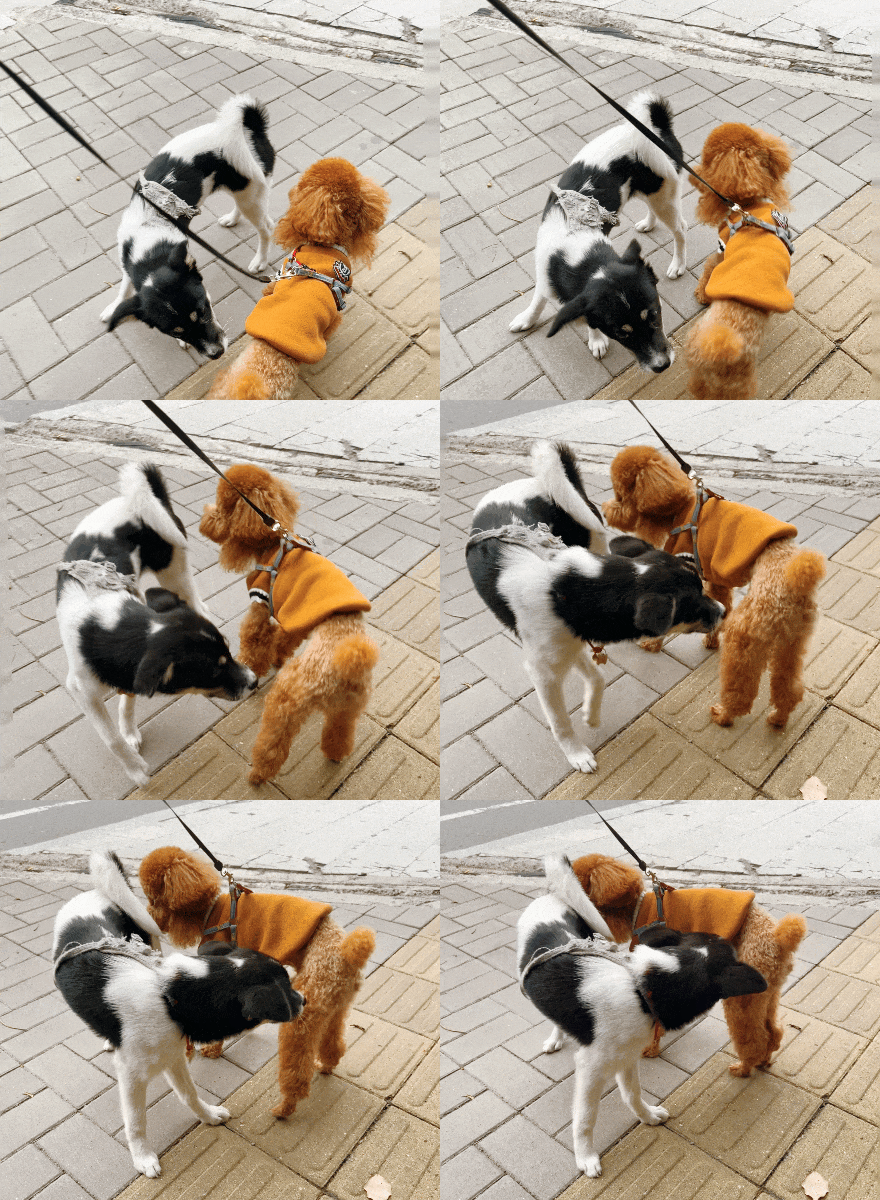
When Sunny first saw kittens, he always rushed toward them.As long as the kittens were not afraid, I kept Sunny at a distance of one to two meters and let him observe calmly. After a while, it became no big deal for him.
-
Let the dog see and smell more
When Sunny first saw kittens, he always rushed toward them.As long as the kittens were not afraid, I kept Sunny at a distance of one to two meters and let him observe calmly. After a while, it became no big deal for him.
Taking your dog for a walk should be something that helps both you and your dog relax.Once your dog’s walking habits are trained properly, everything becomes much easier.Today’s question:Does your dog bolt or rush forward during walks?