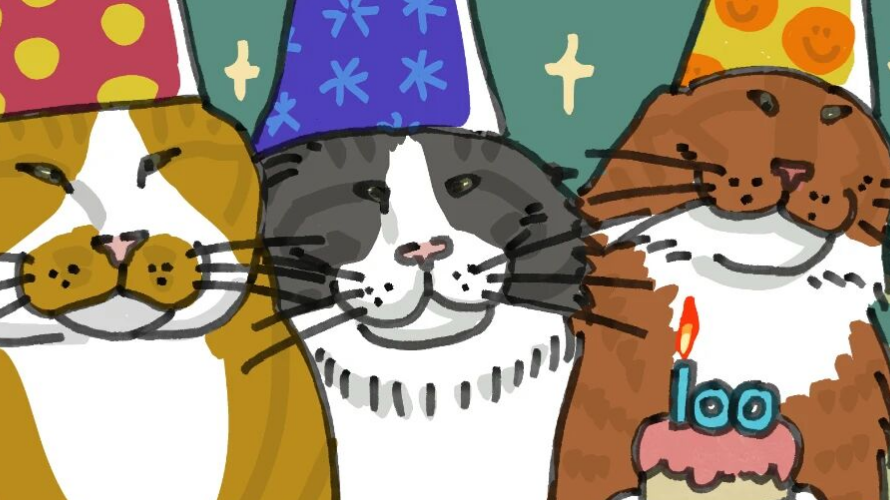
How much do you really know about a kitten’s cleaning habits?Kittens are incredibly clean animals.They groom their own fur, using their tongue like a tiny built-in comb to smooth their coat, wash their face, clean their head, and even tidy up their little paws…So when a normally clean kitten suddenly stops grooming itself, you should pay attention—this may be a sign that something is wrong with your cat’s health.Today, let’s take a closer look at a cat’s cleaning habits,why kittens love staying clean so much,and what it might mean when a cat suddenly stops grooming itself.
-
The Graceful Art of Feline Grooming
Cats are natural-born hunters, and their bodies and behaviors have evolved over millions of years to adapt to life in the wild. Self-grooming, an essential part of this evolutionary process, not only helps maintain a cat’s personal hygiene but also allows them to hide their scent and avoid being tracked by predators. A cat’s cleaning routine generally includes the following habits: Licking Their Fur.The most common grooming behavior in cats is licking their fur. Their flexible tongues are covered with tiny backward-facing barbs that work like a built-in comb. These barbs help them remove loose hair, dander, and dirt, while also stimulating blood circulation and supporting healthy coat growth.At the same time, licking spreads natural oils from their saliva across their coat, making their fur look smoother and shinier. Cleaning Their Face.In addition to grooming their body, cats use their front paws—dipped lightly in saliva—to wipe their face, especially around their eyes and nose. This helps remove eye discharge and dirt on their nose, keeping their face clean and comfortable.Cleaning Their Ears and Paws.Although cats don’t use cotton swabs or nail clippers like humans do, they have their own ways of maintaining cleanliness.For ear hygiene, cats typically shake their heads to loosen internal debris, then wipe the outer ear with a saliva-dampened paw just like they do when cleaning their face.For their paws, they use their tongue—and sometimes their teeth—to nibble off dirt or residue stuck between their toes.Grooming After Using the Litter Box.After defecating, cats instinctively cover their waste with litter or soil. They also lick the fur around their anal area to keep it clean and hygienic. This behavior is deeply rooted in their natural survival instincts.
-
Why Are KitHow to Help Your Cat Stay Cleantens So Obsessed With Staying Clean?
A cat’s love for cleanliness is closely tied to its natural instincts. Cats are highly territorial animals, possessing strong instincts for self-protection and territory marking. Keeping their body clean and hygienic plays an important role in this—it helps them hide their scent and avoid attracting predators.A clean appearance also helps cats make a better impression and gain trust when interacting with other cats or humans. In feline social behavior, mutual grooming is a common sign of intimacy. This not only strengthens emotional bonds and trust but also promotes hygiene and health for both cats.Especially after meals, cats often groom themselves, and cats that have a close relationship may groom each other.For indoor cats, even without the help of other cats, they maintain their cleanliness and comfort through self-grooming. Additionally, cats may engage in grooming as a displacement behavior during awkward or stressful moments.For example, if a cat tries to jump onto a table and fails, it may lick itself a few times to relieve embarrassment.
-
When a Cat Stops Grooming: A Sign of Illness
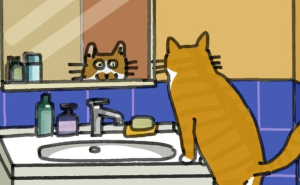
Normally, cats are very diligent about grooming themselves. However, sometimes they may be unable to maintain their regular cleaning routine for various reasons.If a cat stops licking its fur or cleaning its body as usual, it could be a sign of illness, and you should monitor it closely. Here are some potential causes:Skin or Fur Problems.If a cat’s fur becomes rough, dull, or develops dandruff, redness, or swelling, it may reduce grooming due to pain or discomfort.In such cases, owners should carefully examine the cat’s skin and fur and seek veterinary care promptly to diagnose and treat any underlying conditions.Oral Health Issues.A cat’s oral health is closely linked to its ability to groom itself.If a cat has dental problems (such as tartar buildup, gingivitis, or oral injuries), it may avoid grooming due to pain.It is recommended to brush your cat’s teeth daily and regularly check its oral health. Annual veterinary checkups should include thorough dental exams, and treatments such as tooth extraction or dental cleaning should be performed when necessary.Joint Problems or Pain.As cats age or after injuries, their joints may degenerate or become painful.This can make movement difficult and prevent them from using their paws or tongue effectively for grooming.Owners should observe for signs of stiffness or pain and consult a veterinarian for diagnosis and treatment. Psychological Factors.Besides physical causes, psychological issues can also lead a cat to stop grooming.Cats experiencing anxiety, depression, or loneliness may lose interest or motivation for self-cleaning.Owners should pay attention to their cat’s emotional state and behavior, providing at least 15 minutes of interactive play daily to help relieve stress.Chronic or Internal Diseases.A lack of grooming may also indicate chronic illnesses or organ problems, such as kidney disease, liver disease, or diabetes.These conditions can weaken a cat’s overall health, reducing appetite, causing weight loss, dull fur, and leading to decreased attention to self-grooming.If a cat stops grooming for a prolonged period and shows these symptoms, immediate veterinary attention is required for a full health assessment.Environmental Changes or Stress.Cats are highly sensitive to their surroundings and may react strongly to environmental changes or stressors.When in a new home, encountering strangers or other animals, or experiencing fear or discomfort, they may temporarily lose interest in grooming.In such cases, provide a calm, stable environment and minimize disturbances to help the cat return to normal grooming behavior.Aging.As cats age, their physical capabilities gradually decline, including their grooming abilities.Older cats may struggle to maintain frequent grooming due to reduced strength, joint stiffness, or cognitive decline.Owners should offer additional care, such as regular fur brushing and cleaning of ears and paws, to help elderly cats stay clean and comfortable.
-
How to Help Your Cat Stay Clean
Although cats are naturally capable of grooming themselves, there are situations where they may still need our help to stay clean.Regular Brushing.Regularly brushing your cat’s fur helps remove loose hair, dandruff, and dirt, keeping the coat clean and shiny.Brushing also stimulates blood circulation and promotes healthy skin. Owners should choose a comb appropriate for their cat’s fur type and length, and use proper brushing techniques for best results.Cleaning Ears and Paws.A cat’s ears and paws are also prone to accumulating dirt.You can help clean these areas regularly, but avoid over-cleaning or using harsh cleaning agents. Never insert cotton swabs deep into the ear canal, as this can harm the cat.Providing a Clean Living Environment.A clean, tidy, and quiet environment is essential for a cat’s hygiene and overall health.Regularly clean your cat’s living area, including beds, litter boxes, food bowls, and water bowls, to maintain a hygienic and comfortable space.Also, avoid using harmful chemicals or strong cleaning agents in areas where your cat lives.Monitoring Your Cat’s Health.Pay close attention to your cat’s health, appetite, energy levels, and behavior.If you notice any unusual symptoms or changes in behavior, seek veterinary care promptly and inform the veterinarian about your cat’s grooming habits. This allows for a thorough assessment and accurate diagnosis.
A cat’s grooming habits are an important reflection of its health and overall quality of life.By understanding a cat’s cleaning behaviors and the factors that may affect them, we can better care for and nurture our feline friends.When a cat stops grooming itself as it normally would, it’s important to pay close attention, identify potential causes, and take timely measures to help restore the cat’s health and cleanliness.At the same time, we should provide a healthy and comfortable living environment, allowing our cats to grow up happy and well-cared-for.Do you have any effective tips for helping your cat stay clean? Share them in the comments below and let other cat lovers benefit from your experience!