
Many cat owners feel frustrated:“I provide the best food, drinks, and toys… so why doesn’t my cat appreciate it?!”Beyond being naturally sensitive and independent, another possible reason is a “childhood trauma” of sorts…Have you noticed that some kittens in your home seem unusually shy or fearful?Not only that, but they may also get angry or lash out more frequently.Why does this happen?One likely reason is that your cat never received proper socialization training.So what exactly is socialization training?It’s a process designed to help cats build trust with their owners and adapt to changes in their environment.If a cat misses out on proper socialization, they are more likely to become timid, suspicious, and irritable.Anything unfamiliar could trigger aggressive behavior.Only through effective socialization can a cat grow up to be friendly, relaxed, affectionate, and well-behaved.Socialization becomes especially important if there are children at home, to prevent scratches or bites during playtime.
-
How Exactly Do You Socialize a Cat?
First, it’s important to know that the best period for socializing a cat is during kittenhood. Young kittens are naturally more receptive to new sounds, different people, and other animals.The “golden period” for socialization is between 3 and 7 weeks of age, though it can extend up to 9 weeks.In practice, kittens are usually not ready to leave their mother until around 7–8 weeks old, which makes choosing a responsible breeder or a well-managed shelter very important. This way, kittens can be exposed to new experiences as early as possible.
-
Learn to Pet Your Cat the Right Way
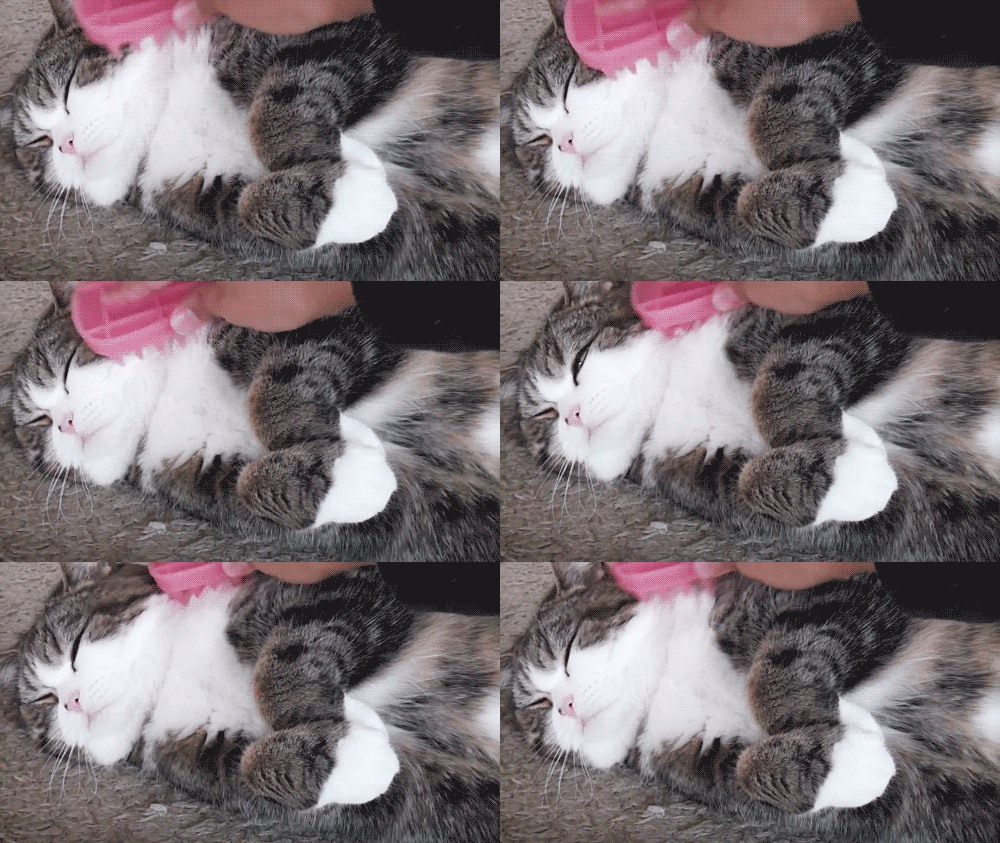
It’s completely natural to want to cuddle a frightened or shy cat, but the problem is, the cat may not want to be touched at that moment. Forcing contact can actually increase their fear.A crucial principle is: let the cat choose whether to approach you. This helps you understand whether your cat is relaxed or stressed.Even if your cat only comes close for a minute, reward them with a small treat and allow them to leave whenever they want. This helps them associate socialization with positive, enjoyable experiences. Over time, the cat will gradually spend more time near you.Once your cat is comfortable, you can start gently petting them. Begin with areas they like, such as the top of the head. If your cat remains calm or appears to enjoy it, reward them with a treat (like small dried fish).Next, you can try picking up the cat and gently stroking their paws with your fingertips, then gradually move to the belly, tail, and back.During petting, continue offering treats and speak to your cat in a calm, low voice. If the cat becomes agitated, starts rough play, or scratches, stop immediately and let the cat have some alone time. Never yell at or hit your cat—these actions only increase fear and distrust.Repeat these petting sessions daily. As your cat becomes more relaxed, gradually extend the duration.Advanced petting exercises can include gently handling toes and nails, opening the cat’s mouth to lightly stroke gums, and caressing the ears. These exercises help your cat remain calm during future vet visits, nail trims, or dental care.

-
Play With Your Cat
Even if your cat only has toy mice at home, you already know that cats are natural hunters.Observe your cat to identify their favorite toys and schedule several play sessions each day. This not only reduces misdirected hunting behaviors—like biting or pouncing on your ankles—but also strengthens the bond between you and your cat.However, as with petting, do not encourage aggressive behavior. If your cat attacks during play, firmly say no and immediately stop the session.
-
Introduce Your Cat to Strangers
Before introducing your cat to new people, ensure you have earned your cat’s trust.When others pet your cat, make sure their voice is calm and low at all times, at least until the cat adjusts. Cats have far more sensitive hearing than humans, so loud noises can easily scare them. Even loud laughter may frighten a shy or timid cat.Always let the cat choose whether to approach visitors, and never force interaction.
-
Patience Is Key for Hard-to-Socialize Cats
Socializing a shy or timid cat can be a long and frustrating process.Some cats are naturally a bit antisocial; these “little tigers” require even more understanding and patience from their owners.Maintain a positive attitude and celebrate every small progress. If you become frustrated or upset, your cat can sense it, which may cause the training to stall or regress.Patience, consistency, and gentle guidance are the keys to helping even the most fearful cat become confident and affectionate.
Although socializing a cat is neither easy nor quick, kittens that have been properly socialized will surely make all your effort feel worthwhile.Alright, that’s it for today’s guide on cat socialization—see you next time!