
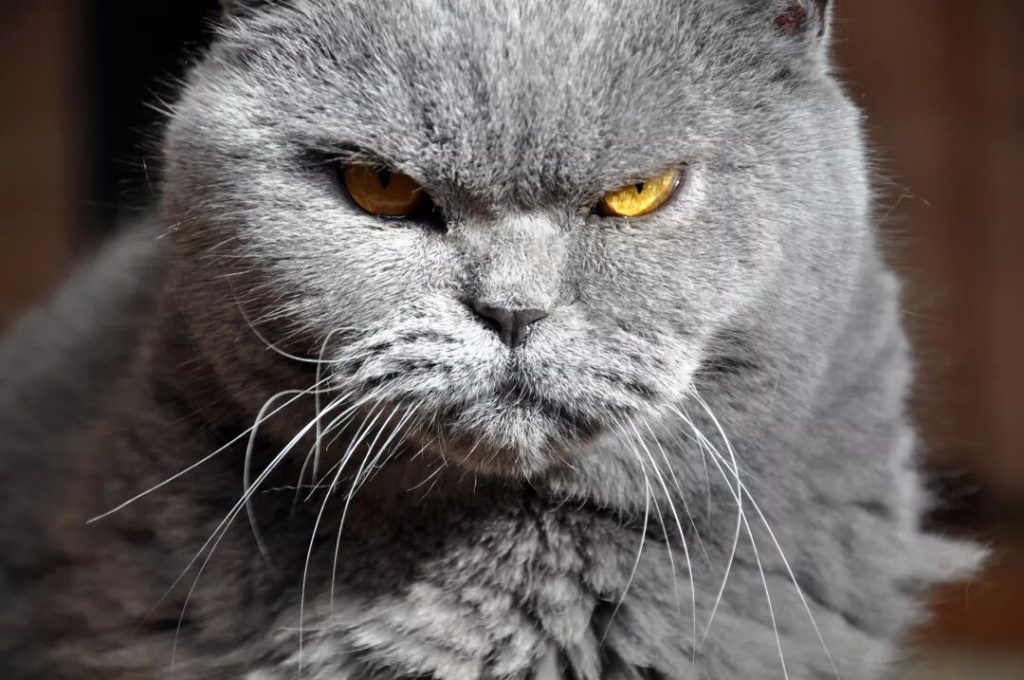
Sometimes, when you see your cat making strange movements, you might wonder, “What on earth is it trying to do?” Other times, you might feel like your cat is asking for cuddles, but when you reach out, it swats at you. Doesn’t that leave you feeling frustrated, not understanding what’s really going on in its mind? Even more frustrating, sometimes it feels like your cat is ignoring you, when in reality, you just don’t know how it expresses love. Cats can be like a mystery, with their emotions hidden deep inside. So, how can you truly know what your cat is thinking? Do you want to communicate better with your cat? Want to figure out if your cat is asking for attention, playtime, or simply wants to be left alone?Although we can’t speak “cat,” by understanding their body language, you can easily learn what your cat is trying to tell you. By paying attention and responding thoughtfully, you’ll not only improve communication with your cat, preventing misunderstandings and potential aggression, but also strengthen your bond with them. Cats use a wide variety of signals to convey messages, including body posture, facial expressions, and sounds. Compared to dogs, cat body language contains more subtle nuances, so it’s important not to simply apply your knowledge of dog behavior to your cat.
-
Your Cat’s Eyes Speak
The saying “The eyes are the windows to the soul” is not just exclusive to humans! Your cat’s beautiful, deep, and sparkling eyes aren’t just there to mesmerize you. Want to know what your cat’s little furry brain is thinking? Curious about how your cat feels about the world around it? Your cat’s eyes can tell you all of that.Dilated Pupils.If your cat’s pupils are fully dilated, it means they are excited or possibly startled, feeling frightened or fearful.Constricted Pupils.When your cat’s pupils are small and constricted, consider the lighting. Unless your cat is sitting in direct sunlight, this could indicate that your cat feels tense, frustrated, or aggressive. If you notice this, give your cat some space, and wait for their pupils to return to normal size, signaling that they’re calm and friendly again.Direct Staring.While humans often use direct eye contact to show affection, most cats see it as a threat. This is why, in social settings, a cat’s eyes will often focus on someone trying to ignore them. Once a cat realizes they are being stared at, they may stop what they’re doing to assess the situation.Slow Blinking.The opposite of a direct stare, when a cat lazily and slowly blinks at you, they are conveying affection. If your cat is relaxed and feels safe around you, slow blinking is their way of saying, “I love you.” Try slow blinking back at your cat to let them know you feel the same.Half-Closed Eyes.When your cat’s eyes are half-closed, it indicates they are relaxed and trust you. In addition to their eyes, your cat’s ears, tail, and vocalizations can also tell you what they’re thinking.
-
Body Language in Combination
Simply knowing these signals isn’t enough. Cats often combine multiple types of body language to express their feelings, such as eye movements, ear positions, tail gestures, and actions. Below are some common combinations of body language to look out for:Showing the Belly.Sometimes, your cat might roll over and show you their belly like a “charming little flirt.” However, just when you think they’re asking for belly rubs and you excitedly reach out, you might be met with a sharp attack! Why does this happen? When your cat feels relaxed and content, they might stretch and roll over to show their belly. But if your cat feels cornered or threatened and has no way to escape, they will also expose their belly—right before showing their claws and teeth in a defensive posture, ready to fight. So, always be sure to read your cat’s personality and mood before reaching for them.
-
Classic Halloween Pose
An upright, brush-like tail, an arched back, fur standing on end, and sharp claws all signal one thing: “Get away from me if you don’t want trouble!” A tail held high signals confidence in a cat. If your cat curls its tail around another cat or your legs, it’s a sign of friendliness. When the tail is tucked underneath or between their legs, it’s an indication of anxiety or unease. A brush-like, upright tail is a clear sign that your cat feels threatened, and they might puff up their fur to appear larger in front of a potential adversary. If you notice your cat’s fur is standing on end, coupled with an arched back, it means they are upset. Try speaking to them in a calm voice, or figure out what has caused the fear. On the other hand, if your cat’s fur is lying flat, it’s a sign that they are in a calm and content state.
-
“I’m Coming for You!”
Even the sweetest cat will strike back if they feel threatened or have been petted for too long. After all, in the wild, they’re predators driven by instinct. So when your cat sees something moving—whether it’s a mouse, a toy, or even your hand—instinct will drive them to attack and chase. If your hand becomes the target, the smartest move is to stop moving immediately. Sudden cessation of movement will interrupt your cat’s hunting instinct.
-
Kneading with Little Paws
Have you ever seen a kitten knead its mother’s belly with its little paws? This behavior can continue into adulthood. A happy, content cat will often knead on you or other objects. If your cat is doing this, it’s a sign that they’re relaxed and likely want to be held. If you want to encourage this behavior, you can reward them with tasty cat treats while they knead.
-
Head-Butting You
As a cat owner, you’ve probably seen your cat nuzzle or rub its little head against you. You might think it’s simply because their head is itchy, but in reality, your cat is marking you. The sebaceous glands on their cheeks secrete pheromones, marking you as their own. It’s their way of claiming you as “theirs” in a very sweet and unique way. At this moment, they’re also likely asking for cuddles or affection.
So, are you eager to start testing these signals on your own cat? Keep in mind, each cat is an individual, and their body language can vary. No one knows your cat better than you do. Wishing you and your cat a closer bond!Now, when it comes to “reading your cat’s mind,” it’s important to remember that every situation is unique. So be sure to analyze the signals based on context… And, of course, I hope you don’t get hurt in the process!