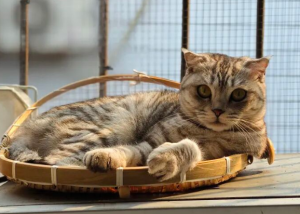
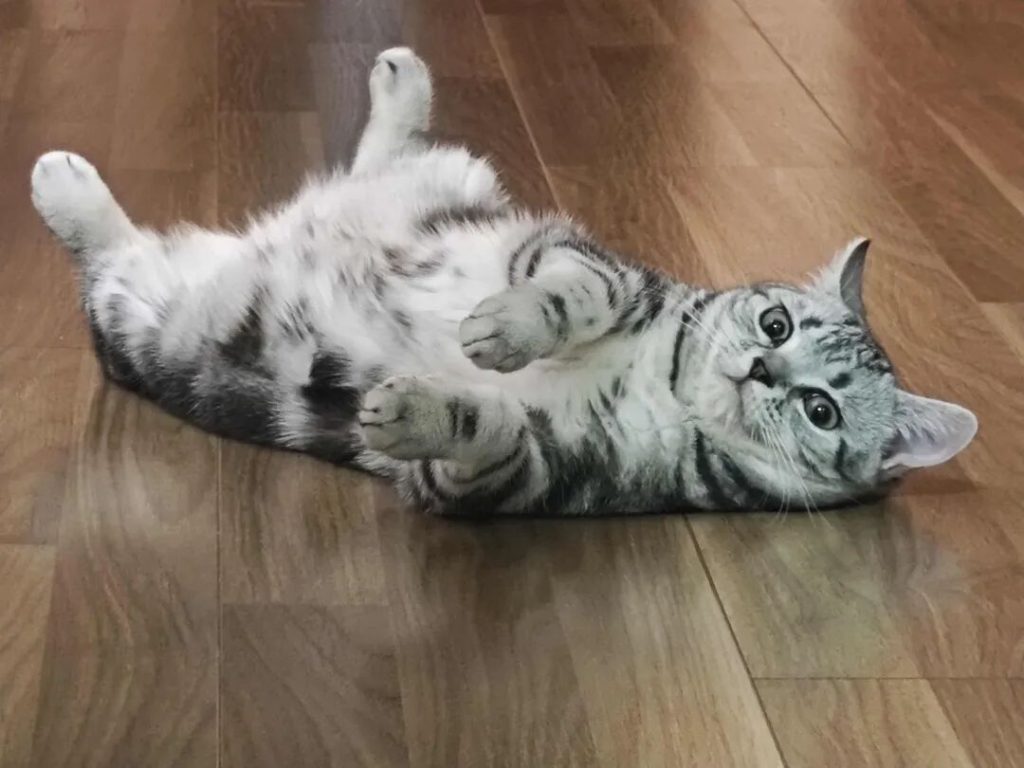
Kittens are honestly little smart cookies—they just pretend they don’t care about you!Online, you’ll often see all kinds of “IQ tests” for cats:people say that pointy ears mean a smarter kitten, and the longer the ears, the higher the intelligence.Some even try letting kittens bump into a wall or placing tape on the floor to see whether the cat will jump over it.We’re not really sure how scientific any of these tests are,but the truth is—kittens are genuinely intelligent!Their memory, learning ability, and the way they observe, imitate, and experiment to master survival skills, daily behaviors, and better interaction with humans…all of these are far beyond what most of us imagine.So today, let’s take a closer look at just how smart kittens really are.
-
Astonishing Memory: A Kitten’s Very Own Time Machine
Just like humans, kittens have a complex memory system in their brains, allowing them to store and recall a large amount of information.Environmental Memory.Kittens have an especially strong memory for their surroundings.When you move to a new home or rearrange your furniture, you may notice that your kitten needs some time to adjust.They will wander through the new environment, searching for familiar scents and markings to rebuild their internal “memory map.”This sensitivity to environmental changes helps kittens stay safe in complex and constantly changing surroundings.Emotional Memory.Beyond environmental memory, kittens also retain long-lasting memories of interactions with humans—what we call emotional memory.If your kitten was once frightened when getting an injection at the vet, it may later hide whenever it sees someone wearing a white coat.On the other hand, if a rescuer consistently provided food when the kitten was hungry, or warmth when it was cold, the kitten will develop positive feelings toward that person.This emotional memory keeps the kitten bonded with the rescuer over time.Cats also remember friendly animals, such as other pets they peacefully coexisted with.Time Memory.Even more surprising, kittens also possess time memory.They remember feeding times, playtime, and even when you usually return home.If you feed your kitten at the same time each day, it will gradually form a routine and begin showing excitement and anticipation as mealtime approaches.This sensitivity to time helps kittens adapt to human schedules.Associative Memory.This is one of the most interesting forms of memory.For example, whenever you take out the carrier, it likely means the kitten is going somewhere.For smart cats, the carrier becomes a symbol of going out.That’s why many cats immediately hide when they see it—they associate it with unpleasant things like vet visits or unfamiliar environments.This associative memory helps cats better respond to changes and increases their survival ability.Short-Term Memory.Kittens’ short-term memory can last from a few seconds to several hours.Generally, short-term memory lasts around 10–15 minutes, but if the kitten finds something particularly interesting, the memory can last much longer—sometimes even over a dozen hours.For example, if you hide a feather toy in the sofa cushions, your kitten can remember the approximate location for a while and plot how to retrieve it when you’re not looking.Although shorter than human short-term memory, kittens can maintain intense focus on information that matters to them—such as food or safe hiding spots.If you place treats on a table and walk away, your cat will often return shortly afterward to search for them.Long-Term Memory.A cat’s long-term memory can last for many years—sometimes even a decade—and is closely tied to emotional memory.Cats can remember their human’s face, voice, and scent for a long time.Some cats recognize their owners even after the owners have been away for months.Cats also have deep memories of unpleasant experiences.For instance, if a cat once visited a poorly run vet clinic, it may strongly resist entering any similar place again.If a cat was accidentally stepped on, or disturbed while resting, it may remain cautious or distant toward that person afterward.Stray cats, in particular, remember danger vividly.A stray cat may recognize someone who once harmed its companion, even after a long time, and react defensively or warn others.
-
Exceptional Learning Ability: A Cat’s Survival Intelligence
Observation.Observation is one of the most important ways kittens learn.They’re naturally curious and love watching everything around them—whether it’s other cats’ behavior or human activities.Kittens learn many survival skills by watching their mother:hunting movements, grooming, using the litter box, and more.As they grow, they observe continuously and gradually master these skills.They also get inspiration from observing and invent their own unique play styles.Even adult cats learn through observation.For example, some cats learn how to open cabinets by watching their owners do it, eventually figuring out how to access food and treats inside.Imitation.Imitation is another major learning method for kittens.When they see another cat—or a human—perform a certain action, they often try to copy it.Within a group of cats, imitation plays an important social role.If one cat learns a new way to play, others will quickly follow.This helps them stay competitive and is an efficient way to acquire new skills.Cats can even learn behaviors from humans.Because they’ve lived alongside humans for generations, they’ve developed a certain ability to imitate human actions—showing their strong social cognition.For example, when you teach your kitten to “shake hands,” it carefully watches your gesture, then tries to extend its paw.With repeated practice, it eventually masters the skill, building a stronger bond with you.Experimentation.Experimenting is the final stage of a kitten’s learning process.When exploring a new environment or task, cats try different methods to figure out what works.In a new home, kittens roam around, sniff corners, and inspect under furniture—this is their experimental learning process, helping them evaluate safety, locate hiding spots, and find food sources.When trying to reach a high shelf for food or a toy, they may attempt jumping, climbing, or using nearby objects like chairs as tools.If the first attempt fails, they try again differently—over and over—until they discover a successful method.Though time-consuming, this trial-and-error approach teaches cats how to survive efficiently in complex environments.Learning Through Interaction.Cats also learn valuable skills through interaction with humans and other animals.Through human interaction, cats learn when to seek attention or food, understand certain commands or emotions, and build communication patterns with people.If you call your kitten by saying “come,” it can learn that you want it to approach.Cats can also sense emotional changes.When you’re upset or sad, many kittens respond by staying close or offering comfort.When interacting with other pets, cats learn to control their strength and speed, helping them avoid unnecessary conflicts.
-
Positive Training: Making Life With Your Cat Even Better
Because kittens have such strong learning abilities, we can use positive training to correct behavioral issues or improve communication between humans and cats.Using positive reinforcement—such as giving treats or praise after the kitten follows a command—cats can learn simple cues like “sit” and “shake hands,” or even more advanced behaviors like using sound buttons to express their needs.
However, a cat’s learning style is very different from that of dogs or other animals.Cats may not be as eager as dogs to actively cooperate with human training,but once they master a skill, they can use it with impressive proficiency.Alright, that’s all for today’s article!Do you have any effective training methods for your own cat?Feel free to share your tips and experiences in the comments with other cat lovers!