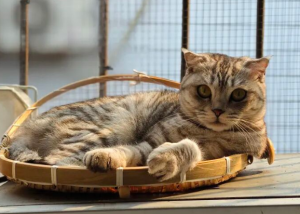

Will it remember you?When you’ve been away on a business trip for a whole month, will your little fur baby still remember you when you come home?Why is it that even after being apart for a long time, a kitten can instantly recall you the moment you trigger a specific memory cue?You may spend hours playing with your cat, yet it might not remember how nice you were—but the second you pick up a toothbrush, it bolts across the room without hesitation…Have you ever wondered whether a kitten’s memory is actually good or bad?How many things can they remember?How do they store and retrieve information?And why is it that happy moments seem to fade quickly, while unpleasant memories stay engraved in their little feline minds?Today, let’s take a closer look at how a cat’s memory really works!
-
The Basic Characteristics of a Cat’s Memory
First, we need to understand the fundamental features of a cat’s memory.Unlike the human memory system, a cat’s memory relies more on immediate experiences and sensory stimulation.Their memory tends to be fragmented and situational rather than a continuous, narrative-style recollection.This means cats are more likely to remember a specific scene, smell, sound, or tactile sensation than the logical order or sequence of events.A cat’s sense of smell and hearing are extremely sharp, and these two senses play crucial roles in how they store andrecall memory. Cats can identify different individuals and objects through scent alone, and they can even remember the smell of friends—or enemies—they haven’t seen in years.Similarly, cats can recognize their owners, companions, or other animals through sound and build corresponding connections in their memory.This sensory-based memory system allows cats to better perceive and understand the world around them.A cat’s memory isn’t limited to facts or basic information—they can also remember emotional experiences. For instance, a cat that has been abused in the past may develop fear or avoidance behaviors toward certain environments or specific people. This is emotional memory at work.Cats also have a clear memory of their home layout and the location of different rooms—this is an example of spatial memory. Such abilities help cats quickly locate food, water, and safe hiding places in complex environments.Like humans, cats have both short-term memory and long-term memory.Short-term memory handles immediate information—such as recent events, the location of food, or the sound of their owner’s voice. These bits of information are stored temporarily and guide a cat’s immediate actions.Long-term memory involves more persistent storage, such as the location of home, the appearance and voice of their owner, and established behavioral habits. Forming long-term memory requires time, repetition, and reinforcement. Once established, long-term memories provide cats with ongoing guidance and a sense of safety.
-
What Affects a Cat’s Memory?
Age and Development.A cat’s memory improves as it matures.Kittens are in a rapid learning and development stage—their memory is relatively weak, but their curiosity and desire to explore are extremely strong.As they grow older and accumulate experiences, their memory strengthens, enabling them to better retain details of their environment and social relationships.Emotional State.A cat’s emotional condition also affects its memory.When a cat is relaxed, happy, and content, it is more likely to remember positive experiences.When it is stressed, frightened, or anxious, its memory may be disrupted or suppressed.This is why creating a calm, safe, and stable environment is crucial for maintaining good memory in cats.Health Condition.A cat’s health also influences its memory.Brain disorders, endocrine imbalances, and nutritional deficiencies can all lead to memory decline or memory loss.Regular veterinary checkups, balanced nutrition, and adequate rest are essential for supporting healthy memory function.

-
Why Are Happy Memories So Short-Lived?
The way memories are encoded determines that happy experiences are often stored as short-term memories.Happy memories are typically associated with positive sensory experiences—such as pleasant touch or satisfying taste.While these experiences are enjoyable, they may not have enough emotional depth or complexity to become long-term memories.Cats are naturally inclined toward instant gratification. Whether it’s a tasty treat, gentle petting, or warm sunlight, they quickly become immersed in the moment.However, these short bursts of joy lack lasting emotional connection. Once the stimulation ends, the happy feeling fades as well.Additionally, cats are easily distracted by new stimuli.A new toy, a bird outside the window, or an unfamiliar scent can instantly replace any previous happy memory.
-
Why Do Negative Memories Last So Long?
Negative memories carry stronger emotional intensity than positive ones.Compared with happy experiences, unpleasant memories often come with powerful emotional responses such as fear, anger, or anxiety.These negative emotions activate a cat’s stress response, causing them to remember upsetting experiences much more vividly.A cat’s survival instincts push them to stay alert to potential threats.Therefore, memories involving danger, pain, or discomfort are more likely to be preserved and used as references to avoid similar situations in the future.If a cat repeatedly encounters the same negative experience—such as being startled or punished—these memories become further reinforced, leaving deeper and more permanent imprints on the brain.
-
How to Make Good Use of Your Cat’s Memory?
Understanding how a cat’s memory works helps us create better living environments, training strategies, and social experiences for them.Through repeated training and reward systems, we can help cats develop proper habits and social behaviors.Positive interactions and companionship also strengthen emotional bonds and trust, making cats more willing to accept training and guidance.① Create Positive Life Experiences for Your Cat.Varied interaction:Engage in regular play using different toys—wand toys, laser pointers, puzzle toys—to create enjoyable bonding time.Comfortable environment:Provide a quiet, warm, and cozy living space. Minimize noise and disturbances so your cat can relax and feel secure.Positive reinforcement:Reward good behavior or completed tasks with tasty treats such as snacks or canned food to boost their sense of achievement and happiness.② Reduce Negative Stimuli in Daily Life.Avoid startling your cat:Prevent sudden noises, abrupt movements, or drastic environmental changes that could scare them.During activities like home renovation or moving, prepare early to comfort and reassure them.Gentle discipline:If discipline is necessary, use mild and reasonable methods—like temporary ignore time.Avoid harsh punishment, spraying water, yelling, or physical punishment.Pair corrections with positive guidance and rewards.Patient guidance:Be patient with your cat’s sensitivities.Use soft tones, gentle petting, and calm presence to soothe their emotions and help them overcome unpleasant experiences.③ Use Memory Patterns to Improve Their Quality of Life.Repetition and reinforcement:Strengthen happy memories through repeated positive experiences—rewarding good behavior multiple times, placing toys or treats in favorite spots, and creating consistent routines.Emotional bonding:Build deeper trust and closeness through eye contact, petting, cuddling, and being present when your cat needs comfort.Healing through time:Time is the best remedy for unpleasant memories.With new positive experiences, old fears gradually fade.Give your cat patience, space, and emotional support to recover and grow.④ Monitor Memory Changes to Detect Health Issues Early.By watching changes in your cat’s memory, you can identify potential health problems early.For example, if a cat suddenly forgets how to use the litter box, meows excessively, or becomes unusually anxious or fearful, it may be showing signs of neurological or endocrine disorders.Timely veterinary care can prevent worsening conditions and improve their quality of life.
So, what do you think—Isn’t a kitten’s memory absolutely fascinating?Although their memory isn’t as complex or detailed as a human’s, they still perceive and understand the world in their own unique way, slowly remembering us bit by bit.Their world may be small—small enough that it often feels like it only has room for us.Yet their world is also incredibly vast—vast enough to let go of every joy and every worry just as easily…So let’s cherish our time with them and enjoy life together, whether the experiences are good or bad.Let’s treat them with more gentleness and patience, leaving no regrets—and let every day we spend together become a beautiful memory.