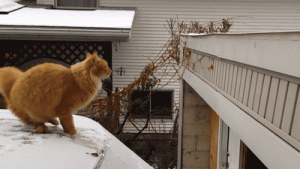
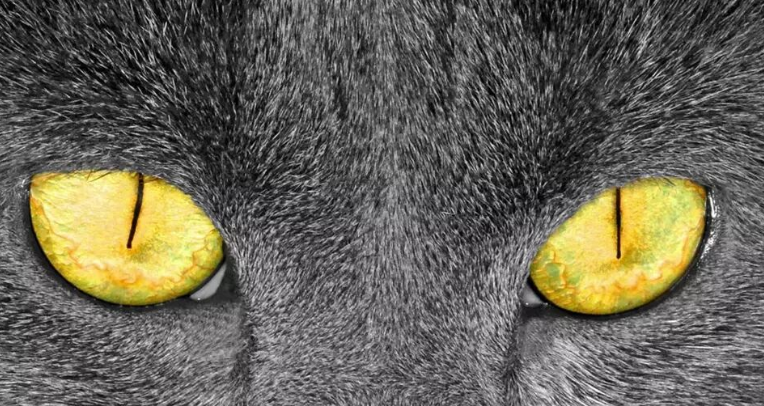
“Even though cats have exploded in popularity across the internet, they continue to carry an air of mystery. They’re a fascinating blend of contradictions—deeply dependent on humans yet cool and aloof, irresistibly cute yet surprisingly crafty. As one of the world’s most beloved pets, cats don’t just captivate us; they also keep us endlessly confused and intrigued.”
-
Does a cat’s breed influence not only its appearance but also its personality?
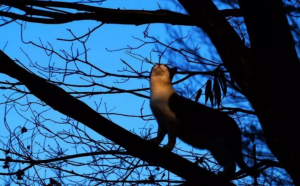
Yes, it does. A cat’s coat color is often linked to certain personality traits. For example, tortoiseshell cats tend to be more independent and usually bond strongly with only one person. They’re also known for passionately chasing whatever they’re interested in. There are detailed records suggesting that the personalities of calico cats and Abyssinians are connected to their coat colors. Some even claim that orange tabbies are social butterflies—and it’s true that a cat’s temperament often appears related to its coloring.As for the “night prowler”—the broken whiskers, the dirty paws—it’s not that I dislike being clean. It’s simply my nature to love freedom: weaving through flower bushes, watching a snail crawl slowly by, teasing the neighborhood dogs, then darting up a tree… I’m clever, too. The moment my owner opens the door, I slip through the gap, dash across the kitchen, sprint upstairs, and settle right into his favorite chair. Heh-heh.
-
What are the most common questions people ask about cats’ strange behaviors?
One of the most common questions is: Why do cats suddenly zoom around the living room at full speed?We don’t know the exact scientific reason, but house cats accumulate a lot of unused energy. Wild cats, on the other hand, are constantly chasing, hunting, stalking, or waiting in high alert—all activities that naturally burn energy. Indoor cats simply express that instinct in short, unpredictable bursts we call the “zoomies.”
-
Speaking of wild cats, how similar are domestic cats to their wild ancestors?
They’re extremely similar.Domestic cats have been domesticated for only half as long as dogs. This is why behaviors you see in your house cat are almost identical to those of tigers, lions, leopards, and other big cats. This lingering wildness may be one of their greatest charms—humans can live peacefully with them yet still witness flashes of their raw, ancestral instincts.In the “school of evolution,” cats simply haven’t graduated yet.
-
Many big cats are now endangered. Can our love for domestic cats help protect their wild relatives?
The global outrage over Cecil the lion’s death this past summer showed just how deeply people care about felines.Since domestic cats effortlessly become internet superstars, we should use this online influence to raise awareness and stop harmful practices that threaten other members of the cat family. Harnessing the power of the internet may be one of the most effective ways to protect their endangered wild cousins.